
Get Grease Trap Installation in Adams County, CO
Grease trap installation services for property owners in Adams County, CO, address problems like grease buildup and sewer backups through new or replacement systems for commercial kitchens and food establishments.
Grease trap installation services are essential for property owners in Adams County, CO who operate food establishments, commercial kitchens, or facilities with significant grease waste. Properly installed grease traps help prevent plumbing clogs, backups, and unpleasant odors, ensuring that drainage systems function smoothly and efficiently. These installations contribute to the overall safety and hygiene of the property, reducing the risk of costly plumbing repairs and potential health code violations.
Choosing professional grease trap installation offers several benefits, including enhanced durability and reduced maintenance needs over time. Well-installed traps improve the functionality of plumbing systems, helping to maintain a clean and attractive curb appeal. Property owners often seek these services to create a safer environment, minimize disruptions caused by plumbing issues, and ensure their facilities operate reliably and efficiently for both staff and customers.
- Grease Trap Installation - Necessary for restaurants and food service establishments to prevent grease buildup in plumbing systems.
- Grease Trap Maintenance - Important for commercial kitchens to ensure proper functioning and compliance with local regulations.
- Grease Trap Replacement - Needed when existing traps become outdated or damaged, especially in busy food service areas.
- Grease Trap Inspection - Recommended for facilities in Adams County, CO, to identify potential issues before they cause plumbing backups.
- Grease Trap Upgrades - Suitable for businesses upgrading kitchen operations or expanding, requiring larger or more efficient grease management systems.
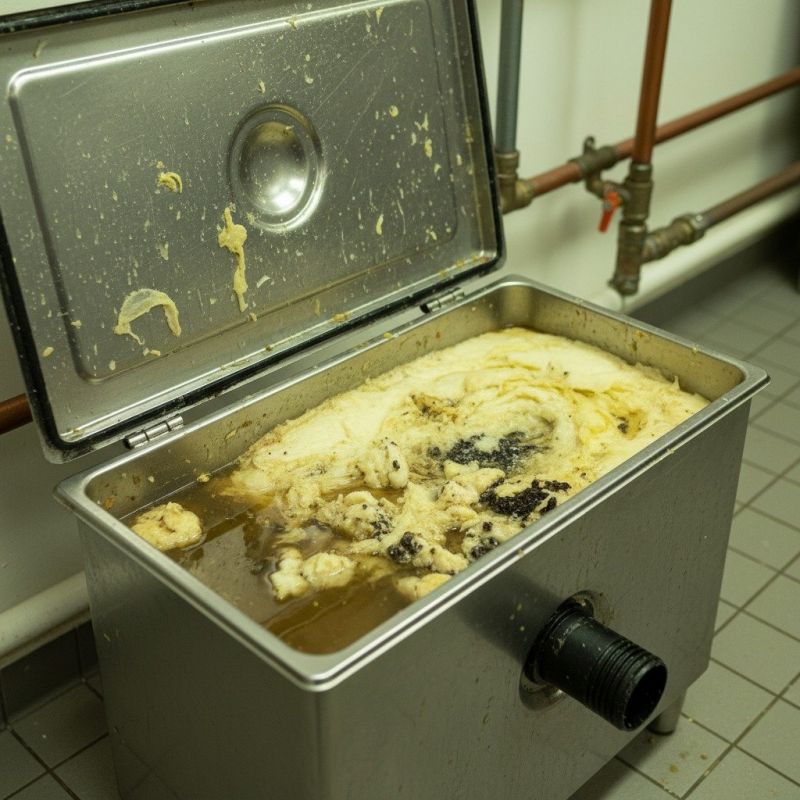
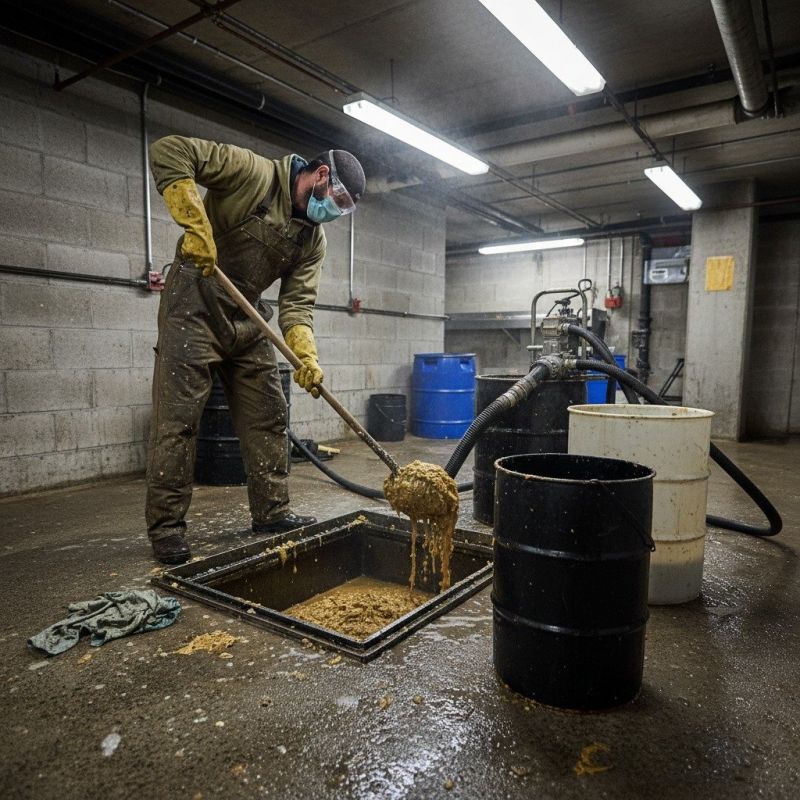
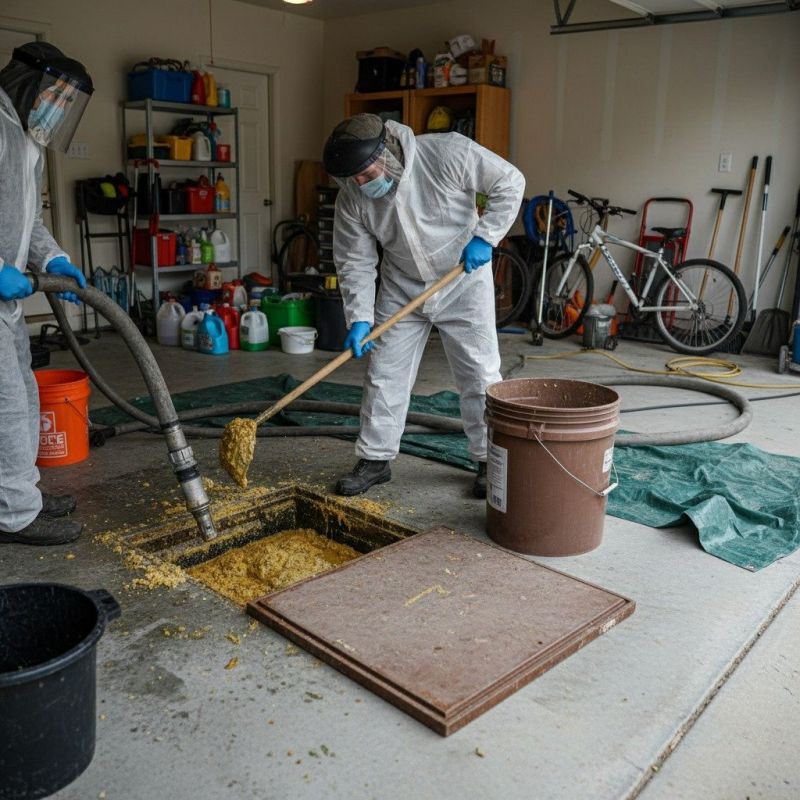
Grease trap installation services involve setting up specialized interceptors designed to capture fats, oils, and grease (FOG) before they enter the plumbing system. These systems are typically installed underground or within the plumbing infrastructure of a property, ensuring that kitchen effluents are filtered effectively. Proper installation requires understanding the property's plumbing layout, local codes, and the specific needs of the establishment. Experienced service providers assess the property’s requirements and ensure the grease trap is correctly positioned and integrated into the existing drainage system to optimize performance and compliance.
The primary purpose of grease trap installation is to prevent FOG from causing blockages and backups within plumbing systems. Grease buildup can lead to clogged pipes, foul odors, and costly plumbing repairs. By intercepting grease at the source, these systems help maintain smooth wastewater flow and reduce the risk of plumbing emergencies. Regular maintenance and proper installation are essential for ensuring the grease trap functions effectively over time, minimizing disruptions and avoiding potential sanitation issues that could impact property operations.
Various property types benefit from grease trap installation services, especially those with commercial kitchens and food service operations. Restaurants, cafeterias, catering facilities, and hotels commonly require these systems to meet health and safety standards. Additionally, some industrial facilities involved in food processing or manufacturing may also need grease traps to manage waste properly. Even some large-scale residential complexes with communal kitchens or dining areas may utilize grease traps to ensure their drainage systems remain free of FOG-related problems.
Choosing the right service provider for grease trap installation involves working with local experts who understand the specific requirements of different property types and local regulations. These professionals evaluate the property's plumbing infrastructure, recommend suitable grease trap sizes and types, and ensure proper installation practices are followed. Properly installed grease traps contribute to efficient wastewater management, help property owners avoid costly repairs, and support ongoing compliance with health and safety standards. Contacting experienced local providers can help ensure a reliable and effective grease trap system tailored to the property's needs.
The overview below groups typical Grease Trap Installation projects into broad ranges so you can see how smaller, mid-sized, and larger jobs often compare in Adams County, CO.
In many markets, a large share of routine jobs stays in the lower and middle ranges, while only a smaller percentage of projects moves into the highest bands when the work is more complex or site conditions are harder than average.
Installation Costs - The cost for installing a new grease trap typically ranges from $800 to $2,500, depending on size and complexity. Larger or commercial systems may cost more, often exceeding $3,000. Local service providers can offer detailed estimates based on specific needs.
Material Expenses - Material costs for grease traps generally fall between $200 and $700. Factors influencing price include the type of material used and the capacity of the trap required for the facility. Suppliers can provide options suitable for various commercial or industrial settings.
Labor Fees - Labor charges for installing a grease trap usually range from $300 to $1,200. The total depends on the site conditions, accessibility, and installation complexity. Local contractors can give precise quotes after evaluating the installation site.
Additional Costs - Additional expenses such as permits, site preparation, or disposal fees may add $100 to $500 or more. These costs vary by location and project scope. Service providers can clarify potential extra charges during consultation.
Actual totals will depend on details like access to the work area, the scope of the project, and the materials selected, so use these as general starting points rather than exact figures.
Grease Trap Installation services involve setting up new grease traps to prevent kitchen fats and oils from entering the plumbing system, helping to maintain proper waste management. Local contractors can assist with selecting appropriate trap sizes and ensuring proper placement for commercial kitchens.
Commercial Kitchen Plumbing projects often require professional grease trap installation to meet health and safety standards, especially in restaurants and food service facilities. Experienced service providers can ensure the traps are correctly integrated into existing plumbing systems.
Restaurant Renovations may include installing or upgrading grease traps as part of the plumbing improvements, ensuring compliance with local regulations. Local pros can handle the installation process to support efficient kitchen operations.
Food Service Facility Upgrades often involve installing new grease traps to accommodate increased capacity or updated equipment, helping to prevent plumbing issues. Skilled service providers can coordinate the installation to minimize operational disruptions.
Waste Management System Installations in commercial settings sometimes include grease trap setups to improve waste processing. Local specialists can provide tailored solutions suited to the specific needs of each facility.
Plumbing System Enhancements may involve integrating grease traps to improve overall waste flow and reduce blockages, especially during major plumbing upgrades. Contacting local experts ensures proper installation aligned with existing infrastructure.
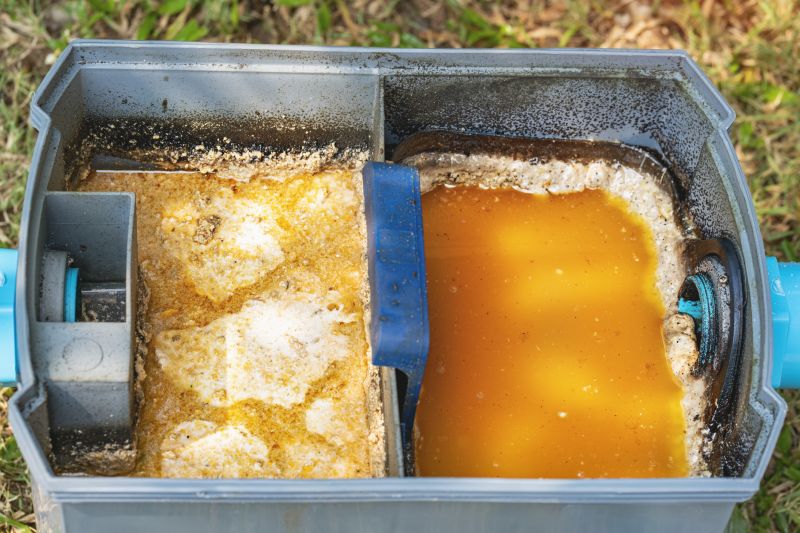
When selecting a professional for grease trap installation, it is important to consider their experience with similar projects. Homeowners should inquire about how long the contractor has been performing grease trap installations and whether they have handled projects comparable in size and scope. A contractor with a solid track record in the local area can often demonstrate familiarity with local regulations and best practices, which can contribute to a smoother installation process.
Clear communication and well-defined expectations are essential when working with a service provider. Homeowners should seek professionals who provide detailed information about the installation process, including preparation, materials, and any necessary permits or inspections. Reputable contractors are transparent about their procedures and are willing to answer questions, ensuring that clients understand what to expect throughout the project.
Reputable references and reviews from previous clients can offer valuable insight into a contractor’s reliability and quality of work. Homeowners are encouraged to ask for references or seek out reviews from local sources to verify a contractor’s reputation. Additionally, establishing open lines of communication with the chosen service provider can help ensure that any concerns or questions are addressed promptly, contributing to a positive and successful grease trap installation experience.
Property owners in Adams County, CO use Grease Trap Installation services for practical projects around their homes and businesses. The sections below highlight everyday jobs and straightforward project options.
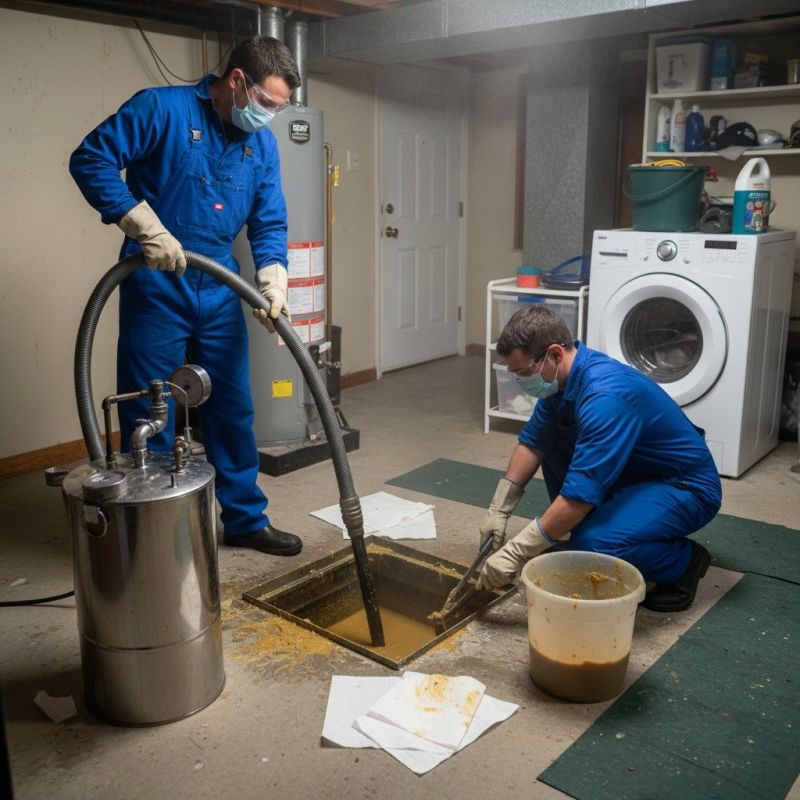
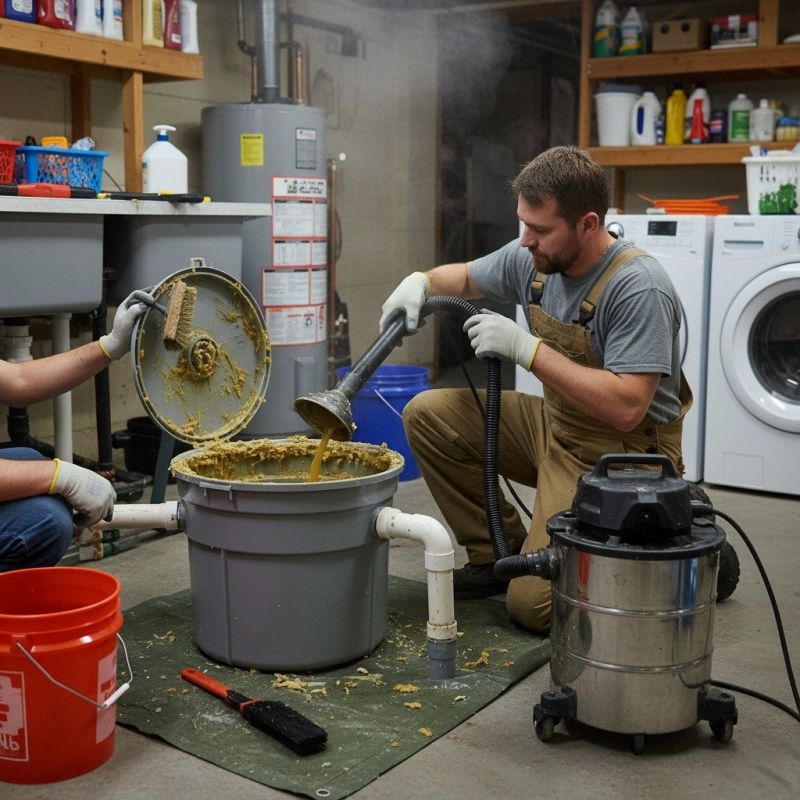
Grease trap installation services are often sought by property owners in Adams County, CO, who operate restaurants, cafes, or catering businesses. Properly installed grease traps help prevent fats, oils, and grease from entering the plumbing system, reducing the risk of clogs and backups that can disrupt daily operations. Business owners may look for local professionals to ensure the installation meets local codes and is performed efficiently, minimizing downtime and maintaining compliance with health and safety standards.
Residential property owners in Adams County might also require grease trap installation for home-based food businesses or community facilities with commercial kitchens. Having a properly installed grease trap can help prevent unpleasant odors and plumbing issues caused by accumulated grease. Local service providers can assist with the installation process, offering guidance on suitable sizes and placement to ensure effective operation and long-term functionality.
What is a grease trap? A grease trap is a device installed in commercial kitchens to intercept and collect fats, oils, and greases from wastewater before it enters the plumbing system.
Why is grease trap installation important? Proper installation helps prevent clogs, backups, and plumbing issues, ensuring compliance with local regulations and smooth kitchen operations.
How long does a grease trap installation typically take? Installation times can vary based on the size and complexity of the system, but generally, it can be completed within a day by professional service providers.
Are there different types of grease traps? Yes, common types include passive interceptors, automatic grease removal systems, and gravity grease traps, each suited for different kitchen needs.
How can I find local pros for grease trap installation? Interested parties can contact local plumbing or commercial kitchen service providers specializing in grease trap installation services in Adams County and nearby areas.
Grease Trap Installation Services - Professionals in Adams County can provide expert installation of grease traps to ensure proper wastewater management.
Custom Solutions for Commercial Properties - Local service providers offer tailored grease trap installation options for restaurants, cafes, and other commercial kitchens.
Compliance with Local Regulations - Experienced contractors help ensure grease trap systems meet all relevant local codes and standards.
Maintenance and Troubleshooting Support - Many providers also offer ongoing maintenance and troubleshooting services to keep grease traps functioning effectively.
Considering Grease Trap Installation for a property in Adams County, CO? The sections above highlight common project types, practical options, and details that often shape the scope of work.
When you are ready, use the quote form to share a few details about your project. Local pros can review the basics and respond with options that match what you have in mind.